Shabby Chic Journal Papers: A Creative Toolkit
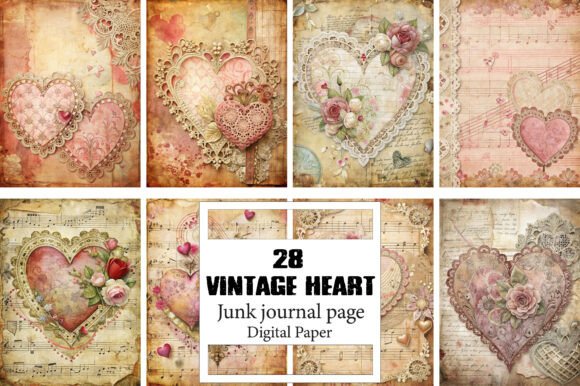
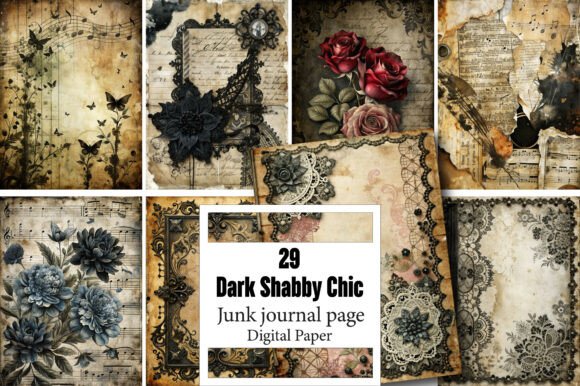
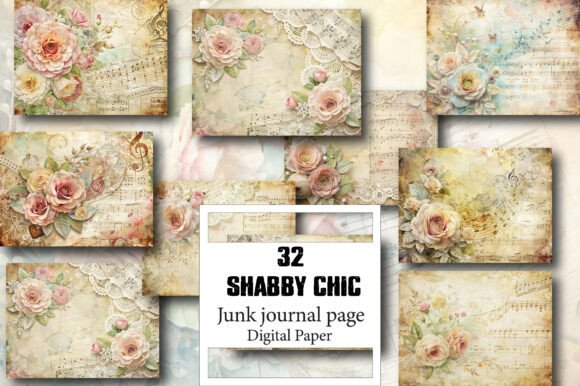
The term "Shabby Chic Journal Papers" describes a specific aesthetic—a blend of vintage charm, faded elegance, and intentional imperfection. These are digital files, often high-resolution image collections, featuring textures of old book pages, delicate floral patterns, worn fabrics, handwritten notes, and antique motifs. They are not physical products but a digital resource, a starting point for a vast array of creative projects.
Why Different Creators Value This Toolkit
A digital pack of Shabby Chic Journal Papers is more than just pretty pictures; it's a versatile asset. Its value isn't universal but is defined by the goals of the person using it. A marketing professional might see it as a cost-effective way to develop unique brand graphics, while a hobbyist journaler sees it as an endless supply of beautiful backgrounds for personal reflection. The same 300 DPI JPG file represents different things: for an entrepreneur, it's a product component; for an educator, it's a teaching aid for art projects; for a consumer, it's a shortcut to creating heartfelt gifts.
For Beginners and Hobbyists: Accessibility and Inspiration
If you're new to crafting or digital design, the sheer scope of possible uses for Shabby Chic Journal Papers can be intimidating, but also liberating. Your primary priorities might be ease of use and learning value. You don't need advanced software; many projects start with simple printing and cutting. These papers remove the barrier of having to create the foundational artwork yourself. You could print them onto cardstock to make a simple but stunning greeting card, or use them as backgrounds in a basic digital photo collage. The aesthetic itself guides the project, helping you learn about composition and style through application. It's a safe, low-cost way to experiment.
For Professionals and Entrepreneurs: Commercial Flexibility
For a small business owner selling handmade stationery or a freelance graphic designer, these digital papers are a raw material. Here, priorities shift sharply towards commercial value, reliability, and flexibility. The high-resolution 300 DPI format is crucial for professional-grade printing on items like mugs, t-shirt transfers, or packaging. The ability to resize without loss of quality means one asset can serve multiple product lines—from wedding invitation graphics to candle labels. The "shabby chic" trend has a strong market, and using these papers can speed up production while ensuring a consistent, desirable aesthetic. Evaluating a pack involves scrutinizing the commercial license, the uniqueness of the designs to avoid market saturation, and how well they integrate with other brand elements.
Practical Applications Across Projects
The listed uses—from junk journals to website backgrounds—are not just ideas; they represent different creative domains. Understanding how the same resource functions across them can help you identify its fit for your needs.
Tangible, Handmade Creations
In the physical world, these papers become the visual foundation of objects. A junk journal enthusiast uses them as the literal pages and ephemera, building a tactile, nostalgic book. A party planner might print them onto napkins or as decoupage on coasters for a themed event. For DIY gift projects, printing onto watercolor paper to make bookmarks or framing a selection as wall art highlights the long-term usefulness and presentation quality of the files. The "shabby chic" style inherently carries a personal, curated feel, elevating handmade items.
Digital and Design-Oriented Uses
In the digital sphere, Shabby Chic Journal Papers function as textures and layers. A blogger might use them as borders for social media graphics to create a cohesive, warm visual identity. A digital planner designer incorporates them as cover options, adding aesthetic value to a functional product. Web designers could use subtle patterns as website backgrounds for boutiques or blogs. Here, the priority is seamless integration into digital workflows and how the texture scales across different screen and print resolutions.
Aligning the Resource with Your Goals
Determining whether a collection of Shabby Chic Journal Papers is right for you depends on matching its characteristics to your project intent. Consider these questions.
Are you seeking creative speed? If you need to produce beautiful items quickly without drawing or designing from scratch, this is a strong match. The instant download nature means you can begin immediately.
Is cost-effective versatility important? One affordable digital pack can yield dozens of unique physical items or digital designs, making it a highly efficient resource for small businesses or prolific creators.
Does your project require a specific nostalgic or romantic aesthetic? The "shabby chic" style isn't generic; it's a deliberate look. If your vision aligns with faded elegance, vintage botanicals, and a softened palette, then these papers are a direct path to that outcome.
Conversely, if your work demands ultra-modern, geometric, or minimalist design, this toolkit would be a mismatch. If you require completely original, never-seen-before artwork for a high-end brand, you might need custom illustration rather than pre-made digital papers.
For Educators and Community Creators
An educator running a workshop on collage crafting or decoupage art might use Shabby Chic Journal Papers as the central material. The priorities here include learning value and group suitability. The designs provide a common, high-quality starting point for all participants, fostering creativity within a shared theme. It demonstrates how digital assets translate into physical art, a valuable lesson in modern crafting. Similarly, community group leaders for scrapbooking or journaling can use these papers to ensure everyone has access to beautiful materials, leveling the creative playing field.
The world of Shabby Chic Journal Papers is a testament to how a single digital resource can democratize design. It empowers the beginner to create with confidence, supports the professional in building a product line, and inspires the hobbyist to explore new forms of expression. Its true worth is measured not just in pixels and DPI, but in the personal and professional projects it helps bring to life.