The Strategic Power of Daisy Junk Journal Pages for Creators and Professionals
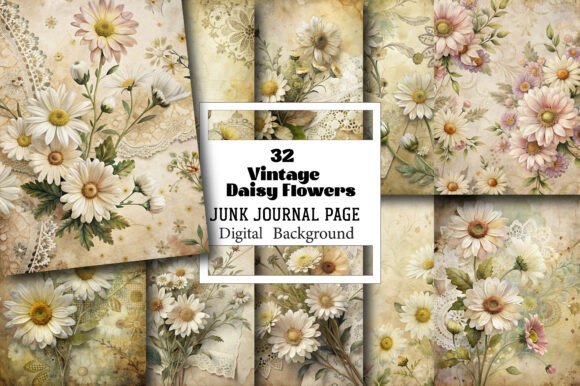
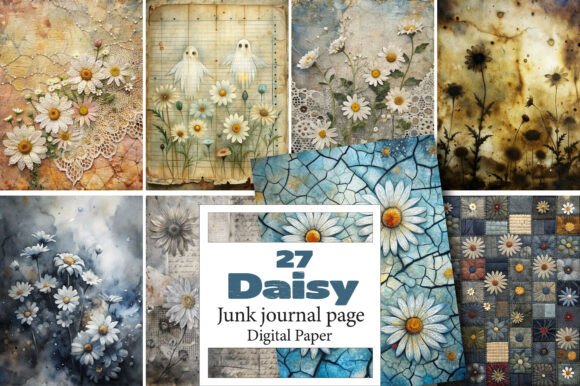
In a digital world saturated with generic templates, the need for authentic, customizable visual assets is a strategic priority for anyone communicating an idea, building a brand, or crafting a physical product. Daisy Junk Journal Pages represents a versatile digital toolkit that transcends its charming name. It is a high-resolution collection of designs that serves as a foundational resource for visual communication and physical creation. Its strategic utility lies not in a single use, but in its adaptability—a single asset can be repurposed across marketing, product development, personal projects, and operational branding to create cohesive, professional results with efficiency.
Beyond Decoration: A Resource for Integrated Visual Planning
Viewing Daisy Junk Journal Pages merely as decorative elements is a common oversight. The strategic user recognizes them as components for integrated planning. Whether you are a small business owner developing product labels, a blogger curating a distinctive online presence, or a hobbyist producing handmade stationery for sale, these pages provide a consistent visual thread. This consistency reduces the cognitive and time burden of sourcing disparate graphics, allowing you to focus on execution and quality. For entrepreneurs, this means faster iteration on packaging prototypes like soap labels or gift tags. For marketers, it enables quick generation of themed social media backgrounds for campaign continuity.
Intentional Application: Aligning Assets with Clear Goals
The first step in leveraging Daisy Junk Journal Pages effectively is to define the outcome. A random application yields disjointed results; an intentional one builds equity. Consider these goal-oriented approaches:
- Brand Cohesion: Use a selection of pages from the collection as the basis for your website graphics, digital planner covers, and physical greeting cards. This creates a recognizable aesthetic across touchpoints, strengthening brand memory.
- Product Line Expansion: A designer creating handmade notebooks can utilize the same page designs for coordinating bookmarks, wrapping paper, and party invitations, effectively creating a themed product line without additional design cost.
- Project Efficiency: Planning a wedding or baby shower? Utilize the pages for a suite of digital and physical items—invitations, party napkins, coaster designs, and signage—ensuring a harmonious event theme while managing a single visual asset.
The high-resolution 300 DPI JPG format is a critical feature here, enabling professional-grade output for both digital screens and physical prints like posters, tumblers, or KDP book covers.
Strategic Considerations and Operational Advantages
Adopting a reusable digital asset like Daisy Junk Journal Pages involves thoughtful decision-making. The instant digital download model offers immediate access, which is operationally advantageous for meeting tight deadlines or capitalizing on timely trends. However, the real strategic advantage is in long-term resource management.
For freelancers and educators creating digital presentations or handouts, having a reliable library of backgrounds and illustrations saves valuable time that can be redirected to content development. For creators in the decoupage art or collage crafting space, these pages provide a predictable quality and style, allowing artistic vision to focus on composition rather than sourcing materials. The ability to resize dimensions without loss of quality supports agile experimentation—testing a design on a mug before committing to a full run of t-shirts, for instance.
Mitigating Risks: The Pitfalls of Uncontextualized Use
While versatile, any tool used without context can dilute your message. A key risk is aesthetic mismatch. The "daisy" theme and junk journal style carry a specific mood—often whimsical, vintage, or handmade. Applying it to a project requiring ultra-modern or minimalist aesthetics may confuse your audience. Another consideration is over-saturation. Using the same core designs across too many unrelated projects without variation can make your output feel repetitive rather than cohesive. The solution is to use Daisy Junk Journal Pages as a base, but to customize and combine elements to fit each unique application, always keeping the end-user's experience and perception in mind.
Practical Applications Across Professional and Creative Domains
Concrete examples illustrate how this resource translates into results. A small stationery business can quickly prototype a new line of writing paper and gift tags for a spring launch, using the pages for both digital mock-ups and final print runs. A digital content creator can produce a suite of trendy social media backgrounds and YouTube thumbnails for a seasonal series, ensuring visual consistency that boosts channel recognition.
For professionals involved in client work, such as wedding planners, the pages become a cost-effective tool for creating custom client presentations, bridal shower invitations, and even coordinating candle labels, elevating the service offering. In publishing, authors using KDP can experiment with multiple book cover concepts using resized elements from the pack, making data-driven decisions on cover appeal before finalizing.
- Planning Tip: Start by auditing your current visual needs. Map out where you require graphics—from website backgrounds to physical product labels—and identify where a single design source could streamline your process.
- Strategic Observation: The value of such a digital pack compounds over time. As you become adept at resizing and repurposing the elements, your speed to market for new ideas increases, creating a competitive advantage in fast-moving creative markets.
Cultivating Long-Term Value Through Creative Discipline
Ultimately, Daisy Junk Journal Pages is a strategic investment in your creative or professional infrastructure. Its long-term value is unlocked not by a single project, but by developing the discipline to use it intentionally. This means establishing your own internal guidelines: perhaps reserving certain floral patterns for premium products, or using more neutral backgrounds from the set for foundational items like website graphics or digital planner covers.
By approaching these assets with the mindset of a practitioner—focusing on how they serve communication goals, enhance productivity, and support brand positioning—you transform a simple download into a reliable pillar of your creative operations. The result is not just a collection of pretty pages, but a system for producing better, more cohesive, and more professional work across the myriad domains of modern creation and business.