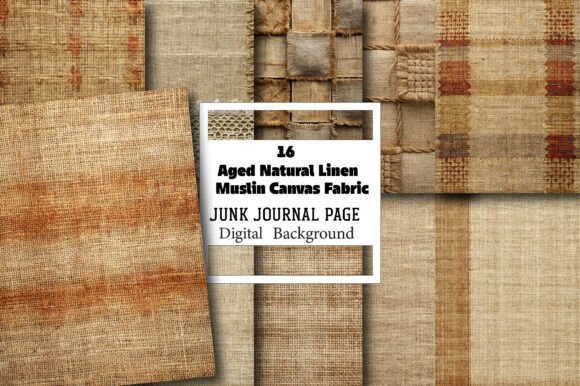
The Versatile Appeal of Aged Natural Linen Muslin Canvas Fabric
In the world of creative arts and digital design, the quest for materials and textures that evoke authenticity, warmth, and character is perpetual. Aged Natural Linen Muslin Canvas Fabric represents a specific aesthetic—a digital representation of a classic, tactile material. This texture mimics the look of natural linen or muslin canvas that has been gently weathered, bearing subtle imperfections, a soft, neutral color palette, and a sense of historical depth. As a digital graphic, it is not a physical fabric but a high-resolution image file designed to be used across an immense spectrum of projects.
Understanding the Digital Asset
When you acquire a file labeled as Aged Natural Linen Muslin Canvas Fabric, you are typically downloading a digital image, often in JPG format at 300 DPI resolution. This high resolution ensures clarity and detail for both digital use and professional printing. The "aged" aspect is an artistic treatment, suggesting gentle wear, soft creases, and a time-worn patina that pure, new textures lack. The "natural linen muslin canvas" descriptor points to a fundamental, unbleached, woven look. This asset is an instant digital download, a versatile base layer or background element meant to be integrated into your creative workflow.
Core Reasons for Interest
Crafters, designers, and small business owners might seek out this type of digital texture for several compelling reasons. Primarily, it offers a ready-made, high-quality aesthetic that can be difficult to photograph or create from scratch. The texture provides an instant mood: rustic, elegant, organic, and nostalgic. For those producing physical items like junk journals, greeting cards, or product labels, it offers a consistent and professional background. For digital designers, it serves as a neutral, textured base for websites, social media graphics, or planner covers that avoids the sterility of flat colors.
Furthermore, its neutrality and aged character make it incredibly adaptable. It does not dominate a design but complements other elements, allowing florals, typography, or illustrations to stand out against its subtle grain. This solves a practical problem for creators who need a cohesive look across multiple items—from wedding invitations to party napkins to website graphics—without starting from zero each time.
Benefits and Practical Considerations
The foremost benefit of this digital fabric texture is its sheer versatility, as indicated by the extensive list of potential applications. It can be resized without loss of quality due to its high DPI, making it suitable for a small gift tag or a large wall art print. It functions well for both digital display and physical sublimation, printing, and crafting. The aged texture adds perceived value and craftsmanship to finished projects, appealing to markets that value handmade, artisanal, or vintage-style goods.
However, there are important tradeoffs and considerations. As a digital file, its effectiveness depends entirely on your skill in using graphic software to manipulate, layer, and apply it. The final result on a physical product like a tumbler or t-shirt also depends on the quality of your printer or sublimation equipment. While the aged look is a benefit for many projects, it might be a drawback if you require a pristine, modern, or brightly colored background. The natural, often off-white or beige tones are limited to that palette; you cannot change the fundamental color of the texture without advanced editing, which may alter its authentic look.
Another consideration is the expectation of uniqueness. While this texture is unique in its specific rendering, it is a commercial digital asset. Other creators may use the same file, so for projects requiring absolute exclusivity, creating a custom texture or photographing actual aged fabric might be necessary.
Situations Where It Is a Strong Fit
Aged Natural Linen Muslin Canvas Fabric is an excellent choice in several clear scenarios. If you are a junk journal artist or create handmade stationery, this texture can serve as perfect digital paper for pages, covers, and inserts, providing a cohesive vintage foundation. For small businesses crafting cohesive branding for rustic, bridal, or boutique brands, it can unify website graphics, social media backgrounds, and physical packaging like candle labels or gift tags.
It is also a strong fit for creators who need efficiency. Having a single, well-textured file that can be adapted for dozens of different outputs—from digital planner covers to coaster designs to party decorations—streamlines production and maintains visual consistency. For those selling digital designs on platforms like KDP (Kindle Direct Publishing), it can be incorporated into book covers or interior pages as a background element that meets commercial print quality standards.
When Alternatives Might Be Worth Considering
Despite its versatility, Aged Natural Linen Muslin Canvas Fabric may not be the optimal choice for every project. If your design requires vibrant, solid color backgrounds or sleek, modern, minimalist aesthetics, a flat color vector background or a contemporary geometric pattern would be more appropriate. For projects demanding photographic realism, such as a product mockup needing to show actual fabric drape and weave, a 3D model or a high-quality photograph of real linen would be superior.
Additionally, if your work is heavily centered around specific color schemes that clash with neutral beiges and whites, you might need to look for pre-colored textured backgrounds. Also, for large-scale commercial printing where the finest details of the "aged" imperfections are critical, ensure your file's resolution and the printer's capabilities are aligned; sometimes a simpler, less detailed texture can be more reliable for very large formats.
Aligning the Asset with Your Goals
To determine if Aged Natural Linen Muslin Canvas Fabric aligns with your creative or business needs, conduct a practical assessment. First, review your upcoming projects. Do they share a common need for a neutral, textured, vintage-inspired base? Second, evaluate your technical capability. Are you comfortable using graphic software to resize, crop, and layer this file? Third, consider your output. Are you primarily creating digital goods, or are you producing physical items via printing? The file suits both, but the success in physical form depends on your equipment.
Finally, think about branding and uniqueness. If you are building a brand where this specific aged, natural texture is a core visual identity, it can be a foundational asset. If, however, you need a constantly changing variety of backgrounds, a subscription to a broader digital textures library might offer more long-term value. This digital fabric texture is a powerful tool, not a universal solution. Its value is unlocked when its specific aesthetic characteristics directly serve the mood, style, and practical requirements of your creative endeavors.